English
 සිංහල
 தமிழ்
 Español
 Русский
 العربية
 Türkçe
 日本語
 हिन्दी
 简体中文
 Deutsch
 한국어
 فارسی





Description
Key attributes
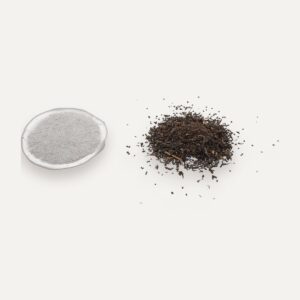
Decaffeinated Ceylon black tea. The decaffeination method and minimum order are confirmed with the quotation.
Price on request through the SriLankaExport trade desk.
Certification and compliance: USDA-certified organic supply · Rainforest Alliance certified supply available · FSSC 22000 (GFSI) certified processing available · Fairtrade certified supply available. Tell us what your market requires and we confirm the certificate for your order.
About decaffeinated Ceylon black tea
Ceylon tea is grown across Sri Lanka’s seven main regions, from the high-grown estates of Nuwara Eliya and Uva to the low-grown gardens of Ruhuna. Decaffeinated tea is black tea (Camellia sinensis) from which most of the caffeine has been removed after manufacture.
The two common methods are carbon dioxide (CO2) extraction, which keeps much of the tea’s flavor, and ethyl acetate extraction. Limits on residual caffeine differ by market, often about 0.1 to 0.4% of dry weight. Decaf tea is commonly traded as broken grades suited to tea bags, such as BOP and BOPF, or as fannings.
Common uses
- Tea bags for retail and food service
- Evening and caffeine-sensitive blends
- Flavored and herbal blends
- Iced tea
Storage and documents
Kept sealed, cool and dry, black tea typically keeps two to three years. Buyers commonly ask for a certificate of analysis, the Sri Lanka Tea Board export documentation, a certificate of origin and, for some markets, pesticide residue results. Exact grade, packing, MOQ and price are confirmed on the quote.
What to include in a quote request
A clear request usually states the tea type and leaf grade, the region or elevation preferred if any, the format (bulk chests or sacks, tea bags or retail packs), the quantity per shipment and how often, any private label needs, the destination port and the Incoterm, for example FOB Colombo or CIF. Mentioning the residue limits of the destination market helps the supplier match the right teas.