 English
  සිංහල
සිංහල  தமிழ்
தமிழ் 
Source Sri Lanka Textiles & Apparel
— Ethical, Compliant, Scalable
Sri Lanka is a world leader in ethical apparel manufacturing, producing garments for global luxury and high-street brands. From handloom fabric to CMT garment production — source directly from EDB-verified suppliers.
Key Textiles & Apparel Products
Fabric wholesale, handloom, batik, and CMT garment manufacturing from Sri Lanka


Why Source Apparel from Sri Lanka?
Sri Lanka’s garment industry is the country’s largest export earner, generating over $4.5 billion annually and accounting for 44% of total merchandise exports. What distinguishes Sri Lanka from other low-cost apparel origins is its reputation for ethical manufacturing, quality compliance, and a skilled, stable workforce — factors that increasingly matter to European and North American brands under ESG scrutiny.
Sri Lanka has over 350 garment factories, many WRAP, OEKO-TEX, and ISO 9001 certified. The country pioneered the “Garments Without Guilt” sustainability initiative, becoming globally recognized for fair labor practices. For buyers sourcing from GSTP or GSP+ countries, Sri Lanka’s preferential trade access to the EU makes it an especially cost-effective source.
What Buyers Can Source
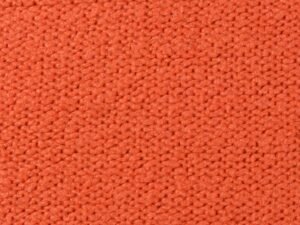
- Woven & Knit Fabrics: Cotton, polyester, linen blends — custom widths and GSM
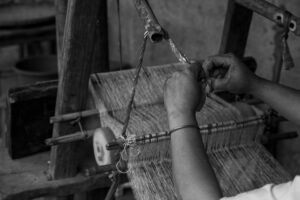
- Handloom Fabric: Traditional loom-woven cotton — unique textures for lifestyle brands
- Batik Fabric & Sarongs: Wax-resist printed, custom colorways available
- CMT Garment Manufacturing: Cut, Make, Trim — T-shirts, underwear, activewear, knitwear
- Yoga & Activewear: Recycled fabric options available for sustainability-focused brands
- Private Label: Full private label capability from fabric to finished garment
Trade Access Advantages
- EU GSP+: 0% duty on garments to EU — significant cost advantage vs. Bangladesh (12%) and China (12%)
- UK DCTS: Preferential duty access to UK market post-Brexit
- US GSP: Eligible under Generalized System of Preferences (subject to renewal)
Industry at a Glance
Certifications Common
Importing Sri Lankan Apparel — Key Requirements
Regulatory, documentation, and compliance requirements for apparel importers
Required Documents
Certificate of Origin (Form A for EU GSP+, EUR.1 for UK), Commercial Invoice, Packing List, Bill of Lading/Airway Bill. Social compliance audits (SMETA, BSCI) increasingly requested by major brands — most large Sri Lankan factories have current audits available.
EU REACH & OEKO-TEX
EU REACH regulation restricts harmful chemicals in textiles. OEKO-TEX STANDARD 100 certification demonstrates compliance and is widely available from Sri Lankan mills. For children’s clothing, EN 71 safety standards and azo-free dyes certification are required.
Labeling Requirements
EU: fiber content label, care instructions in the language of destination country, country of origin. US: RN number or company name on garment label, fiber content %, care instructions per FTC rules. Sri Lankan factories can typically produce to US or EU labeling specs.
Featured Textiles & Apparel Suppliers
EDB-registered Sri Lankan garment and fabric manufacturers
SL Handloom Exports
Traditional Handloom Fabric · Est. 2006 · Kandy
Cotton & linen handloom · Custom designs · 500m MOQ · Lifestyle & fashion brands
View Profile →Ceylon Batik House
Authentic Batik Fabric & Garments · Est. 1992 · Colombo
Batik fabric, sarongs, garments · Custom colorways · Retail & wholesale · EU/US compliant
View Profile →Lanka Knit Manufacturing
CMT Garment Factory · Est. 2000 · Colombo
T-shirts, knitwear, activewear · 500 pcs MOQ · Private label · GSP+ eligible
View Profile →Textiles & Apparel Buyer Guides
Ready to Source Sri Lankan Textiles?
Connect with EDB-verified garment manufacturers and fabric suppliers. 0% EU duty under GSP+. WRAP and OEKO-TEX certified options available.