
 Português
 English
 සිංහල
 தமிழ்
 Deutsch
 Español
 Français
 Italiano
 Nederlands
 Polski
 Türkçe
 Русский
 العربية
 فارسی
 हिन्दी
 简体中文
 日本語
 한국어
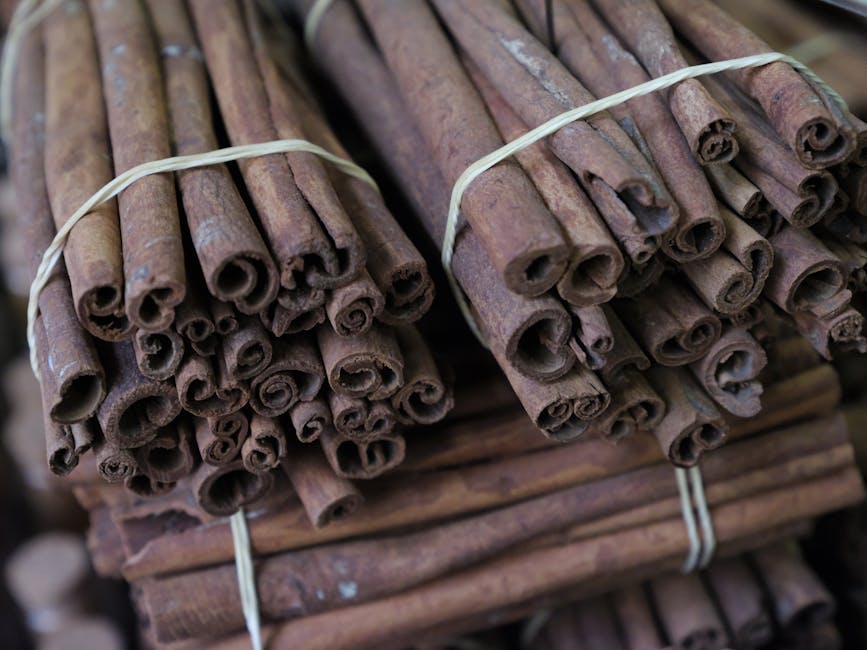
Saigon cinnamon and Ceylon cinnamon are both sold as “cinnamon”, and both are sold in bulk. They are not the same spice. They come from different trees in different countries, and they differ in flavor, in what the bark looks like, and above all in coumarin. Coumarin is the natural compound the EU caps in food and that EFSA sets a daily intake limit for.
This page is for anyone choosing between the two: a home cook reading a label, or a food, beverage or supplement brand deciding which origin to put on a purchase order.
The Short Answer
| Ceylon cinnamon | Saigon (Vietnamese) cinnamon | |
|---|---|---|
| Species | Cinnamomum verum (C. zeylanicum), “true cinnamon” | Cinnamomum loureiroi, a type of cassia |
| Main origin | Sri Lanka (most of world supply) | Vietnam (grown mainly in the north and central highlands, not around Saigon itself) |
| Quill | Many thin, papery layers rolled together; soft, tan, crumbles by hand | One thick layer of bark; hard, dark reddish brown |
| Flavor | Mild, sweet, floral, layered | Very strong, hot, sweet; the most intense cinnamon on the market |
| Coumarin | Very low, often near the limit of detection | High; among the highest of all cassia types |
| Best for | Daily or high-dose use, supplements, children’s foods, EU-bound products, delicate desserts and drinks | Occasional use where a bold cinnamon punch is the point |
Why Coumarin Is the Real Difference
Saigon cinnamon tastes stronger because its bark is rich in essential oil, mostly cinnamaldehyde. The same bark also carries a lot of coumarin. Published lab surveys of retail and bulk cassia regularly find coumarin in the thousands of mg/kg, with Vietnamese samples at the top of the range. Ceylon cinnamon, by contrast, usually tests at trace levels.
For a person sprinkling cinnamon on toast now and then, Saigon cinnamon is fine. The difference matters when cinnamon is eaten every day in quantity (health routines, capsules, “cinnamon water”), when the eater is a child, or when the product is formulated for sale in the EU and has to meet the limits above.
Flavor and Cooking
Saigon cinnamon is the one to choose when you want cinnamon to dominate: cinnamon rolls, snickerdoodles, mulled drinks. It can turn bitter or “hot” in light dishes.
Ceylon cinnamon is gentler and more complex, with citrus and floral notes. It suits custards, rice pudding, chocolate, fruit, coffee and tea, savory curries and Middle Eastern and Mexican dishes. Many Mexican recipes that call for canela mean Ceylon cinnamon. If a recipe was written for Saigon cinnamon, use a little more Ceylon to get the same strength.
How to Tell Them Apart
- Look at the end of a stick. Ceylon shows many thin layers, like a cigar. Saigon and other cassia show one thick curl of bark, sometimes two scrolls rolled toward each other.
- Snap it. Ceylon crumbles in your fingers. Cassia is hard enough to need a grinder.
- Read the label. Look for Cinnamomum verum or C. zeylanicum. “Cinnamon” alone in the US usually means cassia.
- Ground cinnamon cannot be judged by eye. Only species identification or a coumarin test on a Certificate of Analysis (COA) settles it.
What About Korintje (Indonesian) Cinnamon?
Korintje cinnamon is Cinnamomum burmannii, grown in Indonesia, mainly Sumatra. It is the cheapest and most common cinnamon in North American supermarkets. It is also a cassia: milder than Saigon, but still high in coumarin. The comparison with Ceylon is the same as above.
For Buyers: Sourcing Ceylon Instead of Saigon
If you buy cinnamon in bulk and are moving from Vietnamese cassia to Ceylon, three things change:
- Grade replaces “oil content” as the main spec. Ceylon quills are graded by diameter: Alba (thinnest, premium), C5, C4, M5, H1 and so on. Our cinnamon grade calculator and grade reference explain each one.
- Put species and coumarin on the purchase order. Ask for C. verum stated on the COA and a coumarin result. The checklist below lists the exact fields.
- Price is higher per kilo, because Ceylon is peeled and rolled by hand. Most brands pay it because the product is lower risk under the coumarin limits and can be labeled as true cinnamon.
For the full regulatory background, see our Ceylon cinnamon vs cassia guide. Supplement brands should also read the supplement sourcing guide.
Free download: The Ceylon Ingredient Buyer's COA Checklist
Enter your email, click the confirmation link, and your one-page PDF opens. You’ll also get occasional sourcing updates from Harker International (Pvt) Ltd. Unsubscribe anytime.
Buy Ceylon Cinnamon from Sri Lanka
All grades, organic and conventional, from Sri Lankan exporters whose business documents have been reviewed by our marketplace team.