
 Polski
 English
 සිංහල
 தமிழ்
 Deutsch
 Español
 Français
 Italiano
 Nederlands
 Português
 Türkçe
 Русский
 العربية
 فارسی
 हिन्दी
 简体中文
 日本語
 한국어

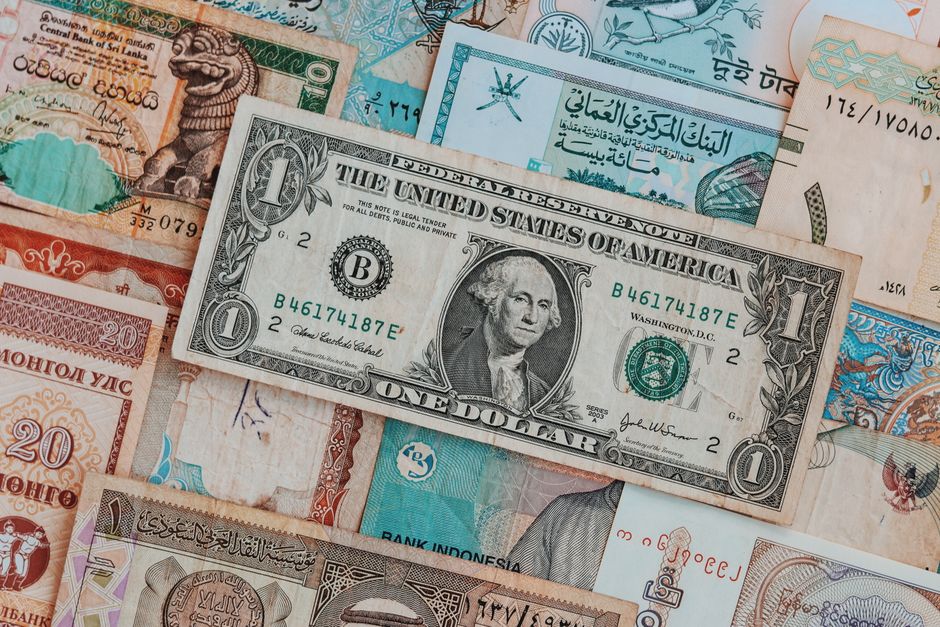
How you pay matters as much as how much you pay. The right payment method balances your risk (paying for goods you haven’t received) against the exporter’s risk (shipping goods they haven’t been paid for). This guide explains the methods used when importing from Sri Lanka and when each makes sense.
The Main Methods
| Method | How it works | Best for |
|---|---|---|
| Bank transfer (TT / SWIFT) | Wire to the exporter’s Sri Lankan bank; often deposit + balance | Most B2B orders; staged payments |
| Letter of Credit (LC) | Your bank guarantees payment on presentation of compliant shipping docs | Larger orders, new relationships |
| Documentary collection (D/P, D/A) | Banks exchange docs for payment/acceptance | Established relationships |
| Card | Card payment through Stripe for smaller orders | Samples, small first orders |
Staged Payments Are Your Friend
Letters of Credit, Briefly
An LC substitutes your bank’s creditworthiness for your own: the exporter gets paid by the bank when they present documents that exactly match the LC terms. It protects both sides but costs bank fees and rewards precision, a single document discrepancy can delay payment. For first-time large orders, an LC is often worth the cost.
Currency & Settlement
Sri Lankan exporters typically invoice and settle in USD. Confirm the beneficiary name matches the registered company (a mismatch is a red flag, see our supplier vetting guide). On SriLankaExport, bank transfer is supported today, with wire instructions issued on every confirmed order; card payments via HNB IPG are being added.
Source with Confidence
Verified exporters, transparent quotes and secure payment options. Start by telling us what you need.