
 Nederlands
 English
 සිංහල
 தமிழ்
 Deutsch
 Español
 Français
 Italiano
 Polski
 Português
 Türkçe
 Русский
 العربية
 فارسی
 हिन्दी
 简体中文
 日本語
 한국어
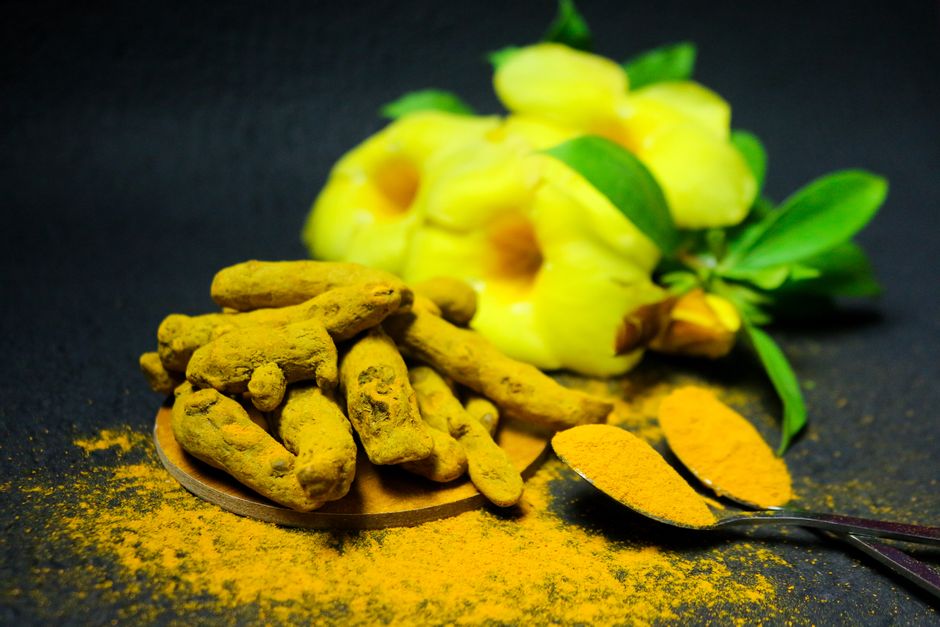
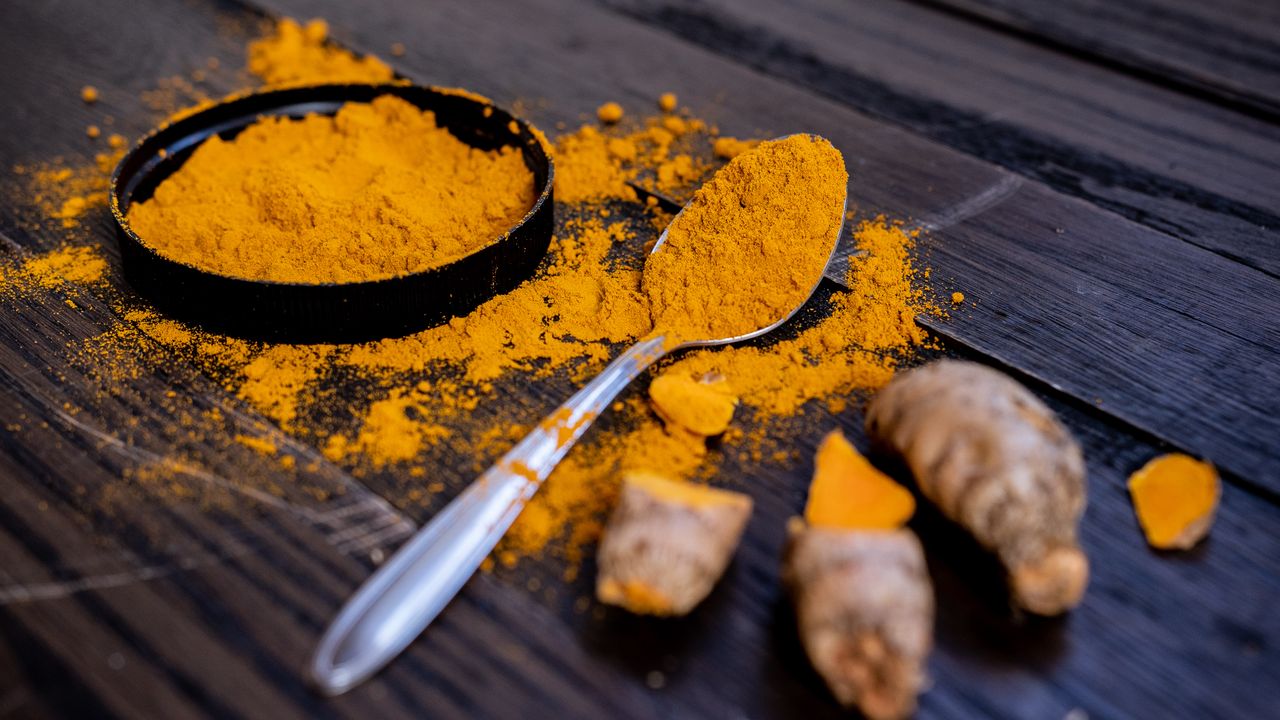
For brands sourcing turmeric or curcumin extract for supplements, functional foods or beverages, two questions decide the deal long before flavor: how much curcuminoid you are actually buying, and whether the material is safe and unadulterated. Turmeric is one of the most economically adulterated spices in global trade, so a sourcing decision here is really a quality-assurance decision.
This guide is for trade buyers, nutraceutical brands, contract manufacturers and private-label importers, sourcing Sri Lankan turmeric (Curcuma longa) as fingers, powder or standardized extract. It is sourcing and regulatory information, not medical or nutritional advice.
What you are actually buying: curcuminoid content
The active fraction of turmeric is its curcuminoids (curcumin, demethoxycurcumin, bisdemethoxycurcumin). Raw dried turmeric typically contains roughly 2–5% curcuminoids; standardized extracts are concentrated to 95% curcuminoids. If you are formulating to a label dose, you are buying an assayed percentage, not “turmeric”, so curcuminoid content must be a contractual spec backed by a Certificate of Analysis (COA), not assumed.
The adulteration risk every turmeric buyer must screen for
This is the single most important reason to source turmeric through documented, testable supply rather than the cheapest open-market powder. Insist on a heavy-metals COA (Pb, Cd, As, Hg) against your market limits, and treat any supplier who cannot provide one as disqualified.
Bioavailability (how to talk about it)
Curcumin is poorly absorbed on its own. Research has investigated absorption-enhancement strategies, co-administration with piperine (from black pepper), lipid/phospholipid and micellar formulations among them, and many commercial products are built around them. These are formulation facts you can characterise on a spec sheet (see our Ceylon black pepper & piperine guide).
Specifications to request from a Sri Lankan exporter
| Spec / document | Waarom het belangrijk is |
|---|---|
| Curcuminoid % (HPLC) | The active you are paying for; standardization point for dose. |
| Heavy metals COA (Pb, Cd, As, Hg) | Screens the lead-chromate / lead-contamination risk, the critical safety test. |
| Species confirmation (Curcuma longa) | Excludes cheaper Curcuma species or starch bulking. |
| Microbiology (TPC, yeast/mould, Salmonella, E. coli); sterilization method | Required for ingestible powders; specify steam-sterilized vs untreated. |
| Moisture, total ash, starch | Detects bulking and quality; affects shelf life. |
| Certifications (Organic, ISO 22000/HACCP, Kosher/Halal) | Match to end-market; organic adds a per-shipment Transaction Certificate. |
| Mesh size | For capsule/tablet or beverage consistency. |
Forms, regulation and HS classification
- Turmeric fingers / whole for in-house milling, and turmeric powder, HS 0910.30.
- Curcumin extract (95% curcuminoids) / oleoresin: classification varies by form; confirm the tariff line with the HS-code finder and your broker. Note that in the EU, certain concentrated curcumin extracts have been assessed under the novel-food and additive frameworks. Confirm the regulatory status for your specific extract and market.
The EU additive curcumin (E100) carries an EFSA Acceptable Daily Intake of 3 mg/kg body weight per day; this is an additive reference, not a supplement-dose endorsement. Verify limits for your product class. Sri Lanka holds EU GSP+ status, which can reduce EU import duty on qualifying lines with a valid REX statement of origin.
Part of our hub on sourcing Sri Lankan ingredients for supplement, functional-food & beverage brands.
Source assayed Sri Lankan turmeric & curcumin
Tell us your form (powder, fingers, 95% extract), target curcuminoid %, volume and the COA specs you need. We’ll match you with Sri Lankan exporters and return firm quotes, free, no obligation.
Disclaimer: General sourcing and regulatory information for trade buyers, not medical, nutritional or legal advice. No health claim is made about turmeric or curcumin; statements here have not been evaluated by the FDA or EFSA. Confirm analytical limits, novel-food/claims status and tariff classification for your product and destination market before purchase.
Sources: EU RASFF notifications and US FDA import actions on lead in turmeric; peer-reviewed studies on lead-chromate adulteration of turmeric; EFSA re-evaluation of curcumin (E100) ADI 3 mg/kg bw/day; EU Regulation (EC) No 1924/2006 (health claims); WCO Harmonized System heading 0910.30.