
 Français
 English
 සිංහල
 தமிழ்
 Deutsch
 Español
 Italiano
 Nederlands
 Polski
 Português
 Türkçe
 Русский
 العربية
 فارسی
 हिन्दी
 简体中文
 日本語
 한국어
Import Ceylon Cinnamon from Sri Lanka to Thailand
What it takes to source Ceylon Cinnamon from Sri Lanka and bring it into Thailand: tariff treatment, import requirements, shipping times and indicative pricing, with a free route to quotes from verified exporters.
Import from Sri Lanka to Thailand: every product, one page →
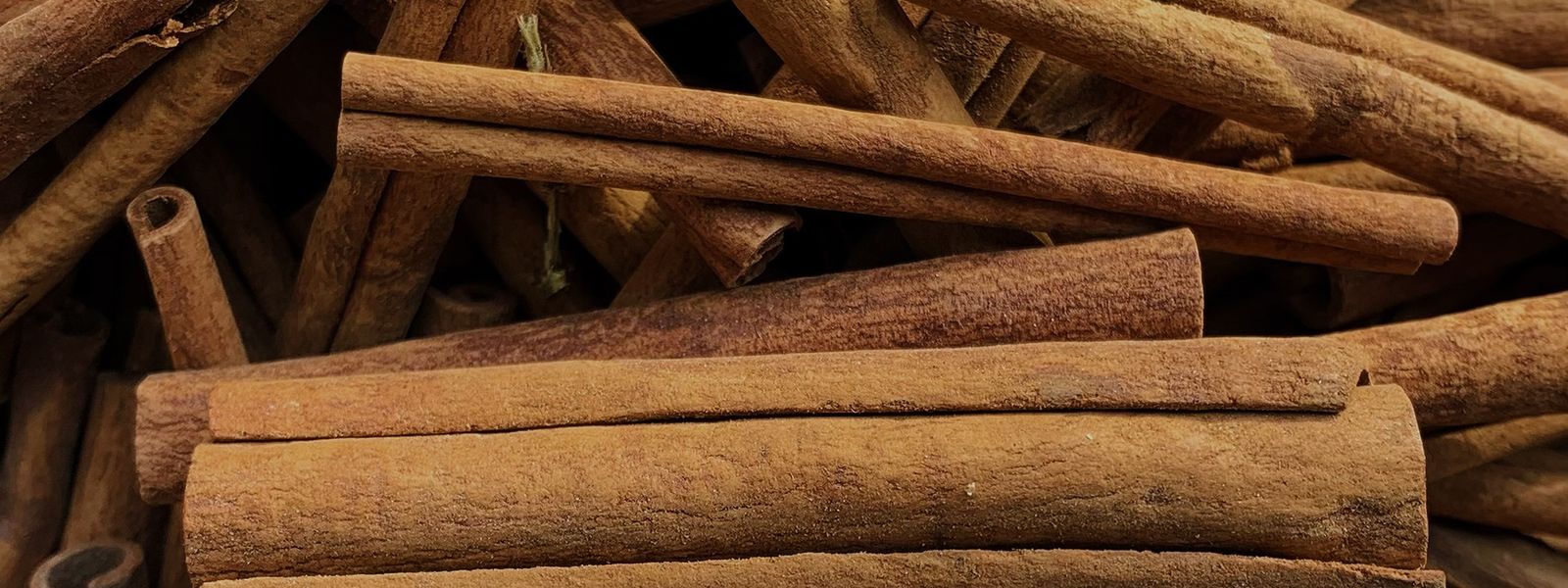
Fresh Ceylon Cinnamon crop typically lands May–November (peeled year-round), see the harvest calendar.
Why source Ceylon Cinnamon from Sri Lanka
Sri Lanka is the home of true cinnamon (Cinnamomum verum), sweeter, lower in coumarin and far more prized than the cassia sold as “cinnamon” elsewhere. Over 80% of the world’s true cinnamon comes from Sri Lanka, graded by quill quality (Alba, C5 Special, C5) with full traceability to the estate.
Forms & grades: Quills (Alba / C5 Special / C5), quillings, and ground powder. Browse current listings on our Ceylon Cinnamon category page.
Duty & tariff treatment for Thailand
There is no bilateral FTA in force between Sri Lanka and Thailand, so imports follow Thailand’s standard (MFN) tariff. Confirm your HS line. Thailand is a notable market and processing hub for spices, coconut and rubber-based products.
A standard certificate of origin is used; there is no FTA preference to claim.
Import requirements for Thailand
Typical requirements for bringing Ceylon Cinnamon into Thailand include:
- Food imports are regulated by the Thai FDA, with import licensing and Thai labeling.
- A phytosanitary / health certificate for plant and food products.
- For organic goods, certification recognized in the Thai market.
Your exporter prepares the commercial invoice, packing list, bill of lading and certificate of origin; see our export documents checklist for the full set.
Certificates this market asks for
Lists of Sri Lankan suppliers holding each one, taken from the scheme’s own public register. A certificate covers named products, so our Trade Desk confirms it covers your order.
- FSSC 22000 certified suppliersGFSI food safety, asked for by most importers and retailers
- BRCGS, ISO 22000 and HACCP suppliersfood safety schemes on certifier registers
- All certificationsevery scheme we track, with live counts
Shipping & lead time from Colombo
Roughly 1.5–2 weeks by sea from Colombo to Laem Chabang / Bangkok. Most Ceylon Cinnamon moves FOB Colombo or CIF Thailand. Agree the Incoterm up front so responsibilities are clear. Estimate ocean freight and your landed cost with the freight & landed-cost calculator.
Indicative pricing
Ceylon Cinnamon is indicatively $18–38 / kg FOB, varying by grade, order volume, packaging and certification. Track current reference ranges on our Ceylon commodity prices page, then get a firm, current quote for your exact specification below.
Get quotes to import Ceylon Cinnamon into Thailand
Tell us your grade, volume and destination. We’ll match you with verified Sri Lankan Ceylon Cinnamon exporters and get you firm FOB/CIF quotes, free, no obligation.
Request quotes →Want to check quality first? Commander un échantillon. Or, for a Sri Lankan grocery store, see grocery wholesale.
Frequently asked questions
Is Ceylon Cinnamon from Sri Lanka duty-free into Thailand?
There is no bilateral FTA in force between Sri Lanka and Thailand, so imports follow Thailand’s standard (MFN) tariff. Confirm your HS line. Thailand is a notable market and processing hub for spices, coconut and rubber-based products. Confirm the exact rate for your HS line via the Thai Customs Department, or estimate your full landed cost with our landed-cost calculator.
What does Ceylon Cinnamon from Sri Lanka cost?
Indicatively $18–38 / kg FOB, depending on grade, volume and certification. See live ranges on our Ceylon commodity prices page, then request a firm quote.
How long does shipping from Colombo take?
Roughly 1.5–2 weeks by sea from Colombo to Laem Chabang / Bangkok.
Related sourcing guides & tools
Import Ceylon Cinnamon to other markets
l'Allemagne · UK · USA · Les Pays-Bas · Les UAE · Inde · Chine · Australie
Other Sri Lankan products to Thailand
Thé de Ceylon · Huile de coco · Poivre noir · Noix de coco râpée séchée · Girofle · Huile de coco vierge · Cardamome · Muscade & macis · Fibre de coco & Coco Peat · Charbon actif de coque de noix de coco · Huiles essentielles