简体中文
 English
 සිංහල
 தமிழ்
 Deutsch
 Español
 Français
 Italiano
 Nederlands
 Polski
 Português
 Türkçe
 Русский
 العربية
 فارسی
 हिन्दी
 日本語
 한국어

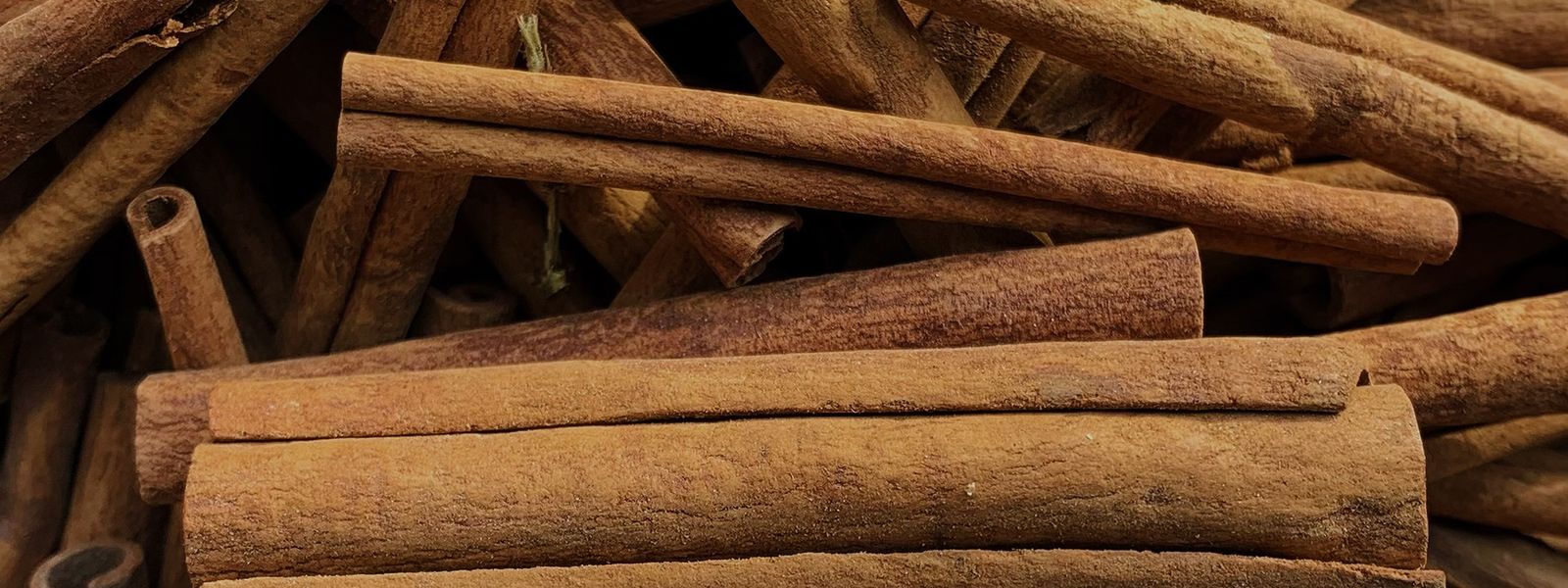
If you formulate or private-label cinnamon supplements, capsules, teas or functional foods, the cinnamon you source is a regulatory and safety decision before it is a flavor one. The single biggest variable is 品种正宗锡兰肉桂真肉桂) versus the cheaper cassia group: because the two differ enormously in 香豆素, a compound that matters specifically at the daily, repeated doses a supplement involves.
This guide is written for trade buyers: nutraceutical brands, contract manufacturers, and private-label importers sourcing cinnamon as a daily-consumption ingredient. It covers why species matters for supplements, what the constituents actually are, the claims rules you must work within, and the exact specifications to request from a Sri Lankan exporter. It is sourcing and regulatory information, not medical or nutritional advice.
Why species matters more for a supplement than for a kitchen
Cassia cinnamon (C. cassia, C. loureiroi, C. burmannii) typically carries coumarin in the hundreds-to-thousands of mg/kg range, roughly 0.1–1% by dry weight, higher in some Saigon samples. Ceylon cinnamon contains only trace coumarin, on the order of 0.004%, commonly one to two orders of magnitude lower. In a pinch of cinnamon on toast this is academic. In a daily 1–6 g cinnamon capsule taken for months, it is not.
This is the core reason supplement and nutraceutical buyers source Ceylon specifically: at supplement doses, the low-coumarin profile is a genuine product-safety and label-defensibility advantage, not a marketing flourish. (For the full botanical and customs breakdown, see our 锡兰肉桂与中国桂皮指南.)
What is actually in the bark (and how to talk about it)
Cinnamon’s studied constituents include cinnamaldehyde (the principal volatile), polyphenols including proanthocyanidins, and trace compounds such as cinnamic acid. These are the molecules research has investigated, and they are legitimate things to characterise on a specification sheet (e.g. a minimum cinnamaldehyde percentage in an extract).
The claims rules supplement buyers must work within
Sourcing a great ingredient does not give you the right to market it freely. Two frameworks dominate:
- EU: Regulation (EC) No 1924/2006 on nutrition and health claims. A health claim may only be made if it is on the EU register of authorized claims. No health claim for cinnamon has been authorized (EFSA assessed botanical claims and they remain unauthorized/on hold). In practice you cannot lawfully market a cinnamon supplement in the EU as affecting blood sugar or any health outcome.
- US: DSHEA / FDA. A dietary supplement may not claim to diagnose, treat, cure or prevent disease. Permitted “structure/function” statements must carry the FDA disclaimer (“This statement has not been evaluated by the Food and Drug Administration…”) and must be truthful and substantiated under FTC rules.
The practical takeaway for a buyer: choose your origin and specs for safety and quality (where Ceylon’s low coumarin genuinely helps), and treat all health messaging as a separate, market-specific legal exercise.
Specifications to request from a Sri Lankan exporter
For supplement-grade cinnamon, the visual grade matters less than the documentation. Powder and extract are usually milled from sound mid grades or quill offcuts, so you are buying analytics, not appearance. Request:
| Spec / document | Why it matters for a supplement |
|---|---|
| Species authentication (HPTLC or DNA/PCR) | Confirms C. verum, not cassia, the whole point of the low-coumarin sourcing decision, and unverifiable by eye in powder. |
| Coumarin content (COA) | Lets you calculate per-serving coumarin against the EFSA TDI for your dose. |
| Cinnamaldehyde / actives (for extracts) | Standardization point for extract products (e.g. a stated ratio or minimum %). |
| Heavy metals (Pb, Cd, As, Hg) | Daily-dose products draw tighter scrutiny; align to USP/EP or your market limits. |
| Microbiology (TPC, yeast/mould, Salmonella, E. coli) | Required for ingestible powders; specify limits and whether steam-sterilized. |
| Certifications (Organic, ISO 22000 / HACCP, Kosher/Halal) | Match to your end-market and channel; organic adds a Transaction Certificate per shipment. |
| Mesh size / particle spec | For capsule filling or tableting consistency. |
Forms and HS classification
- 肉桂粉 (capsule/tablet fill, functional food), HS 0906.20 (crushed or ground).
- Whole quills / chips for in-house grinding or extraction, HS 0906.11 (C. verum, neither crushed nor ground).
- Cinnamon bark extract / essential oil: classification varies by form and concentration; confirm the tariff line with the HS编码查询工具 and your customs broker.
Sri Lanka holds EU GSP+ status, which can reduce EU import duty on qualifying Ceylon cinnamon lines to 0% with a valid REX statement of origin, worth confirming with your exporter as it affects landed cost. Grades, quill diameters and indicative pricing are in the Ceylon product grade decoder.
Part of our hub on sourcing Sri Lankan ingredients for supplement, functional-food & beverage brands.
Source supplement-grade Ceylon cinnamon
Tell us your form (powder, quill, extract), volume and the COA specs you need. We’ll match you with Sri Lankan exporters and return firm, current quotes, free, no obligation.
Disclaimer: This article is general sourcing and regulatory information for trade buyers, not medical, nutritional or legal advice. It does not make any health claim about cinnamon, and statements here have not been evaluated by the FDA or EFSA. Confirm all analytical limits, claims rules and tariff classifications for your specific product and destination market before purchase.
来源: EFSA, opinion on coumarin (Tolerable Daily Intake 0.1 mg/kg bw/day); German Federal Institute for Risk Assessment (BfR), consumer advice on coumarin in cinnamon; Regulation (EC) No 1924/2006 (nutrition and health claims made on foods); Regulation (EC) No 1334/2008 (flavorings & coumarin food limits); US FDA / DSHEA dietary-supplement labeling rules; WCO Harmonized System Chapter 0906.