
 Deutsch
 English
 සිංහල
 தமிழ்
 Español
 Français
 Italiano
 Nederlands
 Polski
 Português
 Türkçe
 Русский
 العربية
 فارسی
 हिन्दी
 简体中文
 日本語
 한국어
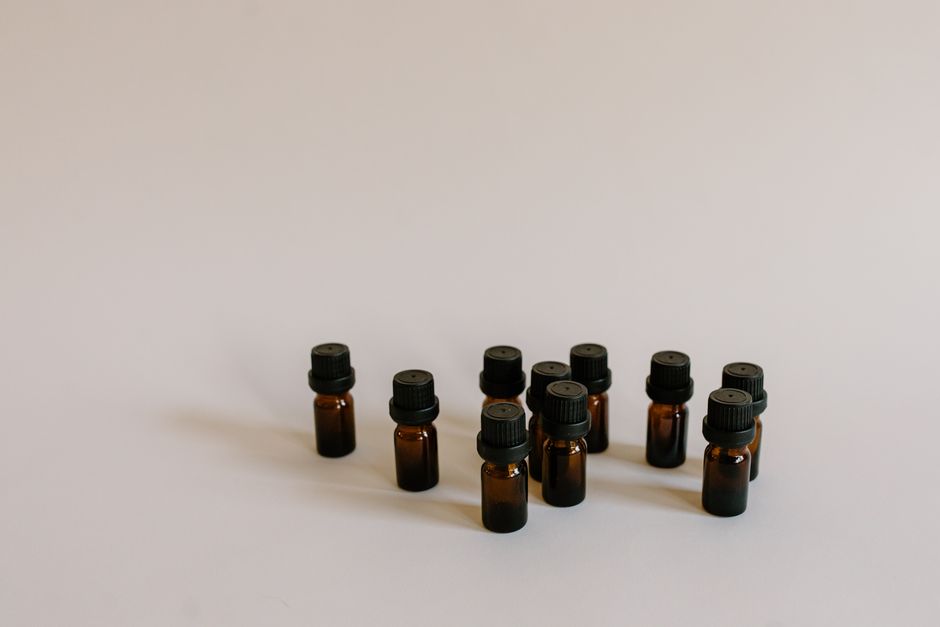

Sri Lanka is a long-standing origin for cinnamon-bark and cinnamon-leaf oil, citronella, clove, nutmeg and cardamom oils. For flavor houses, fragrance compounders and cosmetic formulators, two things separate a good essential-oil purchase from an expensive mistake: buying the right chemotype (the names hide very different chemistry) and Einhaltung der Allergen- und IFRA-Vorschriften that govern these molecules in finished products.
This guide is for trade buyers sourcing Sri Lankan essential oils for flavor, fragrance, cosmetic and aromatherapy use. It is sourcing and regulatory information, not medical or safety-assessment advice. For a broader overview of the full range of oils Sri Lanka distils and the general sourcing steps, see our Ceylon essential oils sourcing guide.
“Cinnamon oil” is two completely different products
The single most common sourcing error is treating cinnamon oil as one thing. Bark oil and leaf oil come from the same tree but are chemically and commercially distinct:
| Öl | Main constituent | Character & typical use |
|---|---|---|
| Zimtindenöl | Cinnamaldehyde ~63–76% (eugenol ~2–13%) | Warm, sweet, true-cinnamon note; higher cost; flavor & fine fragrance. |
| Zimtblattöl | Eugenol ~68–87% (cinnamaldehyde ~0.6–1%) | Clove-like, spicy; lower cost; fragrance, soap, eugenol feedstock. |
Ceylon citronella is not Java citronella
Ceylon citronella (Cymbopogon nardus) is geraniol-led, typically geraniol ~15–23%, citronellol ~3–8.5% and citronellal ~3–6%, whereas Java citronella (C. winterianus) is much higher in citronellal. They smell and perform differently and are priced differently; specify species and the citronellal/geraniol split for your application.
The regulatory reality: IFRA & the EU allergen rules
Specifications to request from a Sri Lankan exporter
| Spec / document | Warum dies von Bedeutung ist |
|---|---|
| GC/MS chromatogram (per batch) | Confirms chemotype: cinnamaldehyde % (bark) / eugenol % (leaf) / citronellal & geraniol (citronella). |
| Physical constants (specific gravity, refractive index, optical rotation) | Standard identity/quality checks for essential oils. |
| IFRA conformity certificate | Sets safe-use levels in fragrance applications. |
| EU allergen declaration (26/80+ list) | Drives cosmetic labeling and CPSR compliance. |
| Allergen / SDS, and food-grade COA if flavor use | Heavy metals + purity where the oil is ingested as a flavor. |
| Distillation method & “100% pure / natural” substantiation | Excludes adulteration/dilution; supports natural claims. |
Forms and HS classification
- Ätherische Öle (cinnamon bark/leaf, citronella, clove, nutmeg, cardamom), HS heading 3301 (with sub-headings by botanical).
- Oleoresine: HS 3301.90; confirm the exact line with the HS-Code-Suche and your broker.
Sri Lanka holds EU-GSP+ status, which can reduce EU import duty on qualifying oils with a valid REX statement of origin. Oils are typically supplied in lacquer-lined drums or aluminum containers. Specify fill size and packaging.
Part of our hub on sourcing Sri Lankan ingredients for supplement, functional-food & beverage brands.
Source Ceylon cinnamon, citronella & spice oils
Tell us the oil, chemotype (e.g. cinnamaldehyde % or citronellal/geraniol split), grade and volume, plus the IFRA/allergen docs you need. We’ll match you with Sri Lankan exporters and return firm quotes, free, no obligation.
Disclaimer: General sourcing and regulatory information for trade buyers, not medical, cosmetic-safety-assessment or legal advice. No therapeutic claim is made about any oil. Essential oils contain potent sensitisers; finished-product safety (CPSR, IFRA conformity, allergen labeling) is your responsibility. Confirm constituent limits, IFRA Standards and tariff classification for your product and destination market before purchase.
Quellen: Published GC composition data for Cinnamomum zeylanicum bark and leaf oils and for Ceylon citronella (Cymbopogon nardus); IFRA Standards (restricted fragrance ingredients); EU Regulation (EU) 2023/1545 amending cosmetic fragrance-allergen labeling; Sri Lanka EDB / Department of Export Agriculture essential-oil profiles; WCO Harmonized System heading 3301.